Basic Information
Symbol
CCL25
RNA Class
mRNA
Alias
C-C motif chemokine ligand 25
TECK
Ckb15
Ck beta-15
thymus expressed chemokine
TECKvar
small inducible cytokine subfamily A (Cys-Cys), member 25
chemokine (C-C motif) ligand 25
SCYA25
C-C motif chemokine 25
chemokine TECK
small-inducible cytokine A25
Chemokine TECK
Small-inducible cytokine A25
Thymus-expressed chemokine
Location (GRCh38)
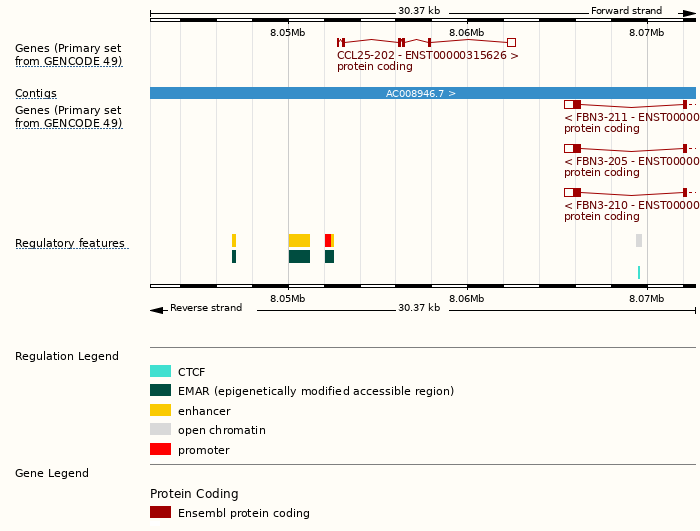
19:8052293-8062665
UCSC Genome Browser
Transcripts






Secondary Structure
MANE Select
NM_005624.4
Sequence length
991 nt
GC Content
0.5732
Secondary Structure
Generated by RNAfold
Minimum free energy (MFE) structure:
Secondary structure that contributes a minimum of free energy.
Secondary structure that contributes a minimum of free energy.
Ensemble properties:
Thermodynamic properties of the Boltzmann ensemble.
Thermodynamic properties of the Boltzmann ensemble.
Minimum free energy
-363.1 kcal/mol
Thermodynamic ensemble
Free Energy:
-380.07 kcal/mol
Frequency:
0.0000
Diversity:
200.55
MFE Structure Visualization
Structure Prediction
MFE Structure Prediction
.((((.((((((..(((((.....((((((((((((.(((.((((..(((((.(((((((.(((.((...........((((((((.(((((((((..((..(((((.((((((.((.((...)).)).))..))))..)))))))..))))))))).))))))))))))).)))))))......)).)))...).)))))).))))))(((((((.(.........))))))))(((((....)))))..(((((.....(((..(((((((((((((((((((((...(((((((((((...........(((((...((((.(((((.((((.(((((...(((.......))).((((((((((((......)))).((((.((((((((......)))))...)))))))............((((..(((.(((((..((((.(((.......)))))))...((((...)))).....((((.((((....(((((......(((((.........((((........)))))))))....)))))....)))).)))).(((((((.((((((.(((.....))).))))))))))))).........((((......))))(((...((((..((.(((....))).))..))))...))).............)))))...)).)..)))).....))))))))))))))))))))))...))))(((((..((((((.(((......)))..))))...))..))))).....)))))...)))))......))))))...))))))))))).((((..............))))))))))))))..)))....)))))..))))))...)))))..))))))))))(((...(((..((((......))))...))).)))(((((((((.(((...................)))...)))))))))...........
Thermodynamic Ensemble Prediction
.((((.((((((..(((((.....((((((((((((.(((.((({..(((((.(((((((.(((.((({..,......|,{(((((.(((((((((..((..(((((.(((((,.({.((...)).)).}}},})))..)))))))..))))))))).))))))))).))).)))))))......)).)))...}.)))))).))))))(((((((.{.........)))))))),((((....))))}..(((((...,.(((..(((((((((((((((((((((...(((((((((((...........(((((...((((.((((,,((((.(((((..,(({.......))).((((((((((((......)))}.((((.((((((((......)))))...))))))}.........,..((((..(((.(((((..((({.(((.......})}})))...((({...}))}.,...{(({.((((....(((((......{((((..,......((((........)))}))))}....))))).,..)))).)))).(((((((.((((((.(((.....))).))))))))))))).........,(((......}}}|(((...((((..{(,{(,....}}),,,..))))...))))............)))))...)).)..))))....}))))))))))))))))))))))...))))(((((..(({((,.(((......)))..))),...))..))))).,,..)))))...))))),.....})))))...))))))))))),(((,.,......,...,}))))))))))))))..))).,..)))))..))))))...)))))..)))))))))).....(((({..,{(,{,{..,..,,..}}..,|{(({(({(((.{{{...................}}}..}))})))))),,.}))))...
Transcripts
| ID | Sequence | Length | GC Content |
|---|---|---|---|
| NM_001201359.2 | GCAGAUGGGACAGCUUGGCCUACAGCCCGGCGGGCAUCAGCUCCCUUGA… | 988 nt | 0.5729 |
| NM_001394634.1 | GUGACAUGCUAAGUUACCUAACCAUGAUGGGACAGCUUGGCCUACAGCC… | 1013 nt | 0.5686 |
| NM_001394635.1 | GUGACAUGCUAAGUUACCUAACCAUGGUGUGGAAGGAGAGGGAAAUGGA… | 1092 nt | 0.5714 |
| NM_001394636.1 | GUGACAUGCUAAGUUACCUAACCAUGGUGUGGAAGGAGAGGGAAAUGGA… | 1157 nt | 0.5730 |
| NM_001394637.1 | GUGACAUGCUAAGUUACCUAACCAUGGUGUGGAAGGAGAGGGAAAUGGA… | 1167 nt | 0.5733 |
| NM_001394638.1 | GUGACAUGCUAAGUUACCUAACCAUGGUGUGGAAGGAGAGGGAAAUGGA… | 1164 nt | 0.5730 |
| NM_005624.4 | GCAGAUGGGACAGCUUGGCCUACAGCCCGGCGGGCAUCAGCUCCCUUGA… | 991 nt | 0.5732 |
| NM_148888.1 | AUGAACCUGUGGCUCCUGGCCUGCCUGGUGGCCGGCUUCCUGGGAGCCU… | 744 nt | 0.5685 |
Summary
This antimicrobial gene belongs to the subfamily of small cytokine CC genes. Cytokines are a family of secreted proteins involved in immunoregulatory and inflammatory processes. The CC cytokines are proteins characterized by two adjacent cysteines. The cytokine encoded by this gene displays chemotactic activity for dendritic cells, thymocytes, and activated macrophages but is inactive on peripheral blood lymphocytes and neutrophils. The product of this gene binds to chemokine receptor CCR9. Alternative splicing results in multiple transcript variants. [provided by RefSeq, Sep 2014]
Forensic Context
No forensic context available.
Genomic Tracks